Retrofitting Radiant Heat: Enhancing Existing Homes Without Major Renovation
Discover realistic options for integrating electric radiant heating into your existing home, from in-ceiling panels to under-tile systems, and learn how to assess your home's readiness.

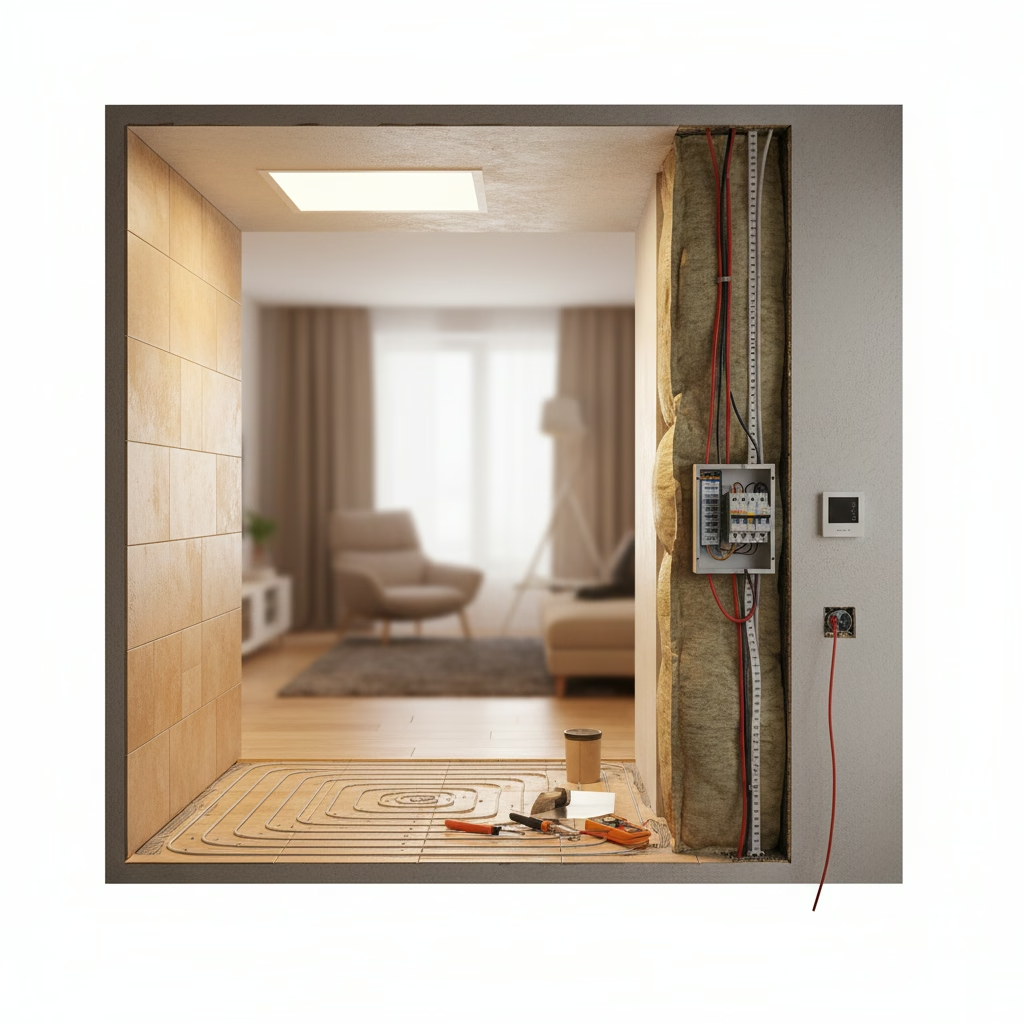
The Modern Appeal of Radiant Heat in Existing Homes
Many homeowners dream of the consistent, comfortable warmth provided by radiant heating systems but assume such an upgrade requires extensive, disruptive renovations. Fortunately, advancements in electric radiant heating technology have made it increasingly feasible to integrate these efficient systems into existing homes without the need for a full gut renovation. This article explores practical options for enhancing your living space with silent, invisible warmth, focusing on solutions that minimize disruption while maximizing comfort and energy efficiency.
Seamless Comfort with In-Ceiling Radiant Panels
One of the most effective and least intrusive methods for retrofitting radiant heat is through the installation of in-ceiling panels. These systems are designed to be unobtrusive, providing even heat distribution from above without occupying valuable floor space or requiring complex ductwork. They are particularly well-suited for rooms where floor access is challenging or where a complete floor overhaul is undesirable. Customers have found this approach to be a smart choice, appreciating the ability to control temperatures individually in different rooms, as one homeowner noted after replacing an old furnace with ceiling panels, enjoying consistent warmth in their family room and personalized comfort for guests.
Targeted Warmth with Under-Tile Systems
For specific areas like bathrooms, kitchens, or entryways, under-tile electric radiant heating systems offer a luxurious and practical retrofit solution. These systems are installed directly beneath new tile, stone, or engineered wood flooring, providing delightful warmth right where you need it most. While this option typically involves replacing the flooring in the chosen area, it avoids the larger scope of whole-house renovations, making it an excellent choice for targeted comfort upgrades. The result is warm floors and feet, enhancing daily comfort, especially during colder months.
Assessing Your Home's Electrical Capacity
Before embarking on any electric radiant heating retrofit, a critical first step is to evaluate your home's existing electrical capacity. Electric radiant systems require a dedicated power supply, and older homes may need electrical panel upgrades to accommodate the additional load safely and efficiently. Consulting with a qualified electrician is essential to determine if your current service can support the new heating elements or if modifications are necessary to ensure proper functionality and compliance with electrical codes.
The Crucial Role of Insulation
Effective insulation is paramount for maximizing the efficiency and performance of any radiant heating system, especially in an existing home. Poor insulation can lead to significant heat loss, diminishing the benefits of your new system and increasing energy consumption. Before installation, consider assessing and upgrading your home's insulation, particularly in ceilings, walls, and subfloors adjacent to heated areas. This proactive step ensures that the warmth generated by your radiant system is retained within your living spaces, contributing to both comfort and cost savings.
Smart Controls for Enhanced Efficiency
Modern radiant heating systems are often paired with advanced thermostats and smart control systems, which are highly beneficial for retrofits. These controls allow for precise temperature management, zoned heating, and scheduling, enabling homeowners to heat only the rooms they are using, when they are using them. This level of control not only enhances comfort but also significantly contributes to energy efficiency, aligning with the core benefits of radiant heat.
Professional Guidance for a Successful Retrofit
Retrofitting radiant heating into an existing home requires careful planning and expert execution. Engaging with experienced professionals specializing in radiant heating systems is crucial. They can provide a comprehensive assessment of your home, recommend the most suitable solutions, and ensure that the installation is performed to the highest standards. Their knowledge ensures that your new system integrates seamlessly with your existing structure, delivering reliable, comfortable, and efficient heat for years to come.
Customer review


Article by
SmartHeat
SmartHeat – Radiant Heating & Snow Melt Systems Silent. Motionless. Invisible. Since 2007, SmartHeat has designed and installed electric radiant heating systems for both residential and commercial projects across the U.S. We specialize in heating solutions that are efficient, seamless, and unobtrusive — including: In-floor heating In-ceiling heating (including custom configurations) Concrete slab heating systems Automated snow & ice melt systems for driveways, walkways, parking lots Thermostats & smart control systems We focus on energy efficiency, comfort, safety, and aesthetics. Our systems use off-peak electricity, zoned control, and sensors to reduce costs. There are no noisy fans, no visible radiators, and minimal maintenance.