Is Electric Radiant Heat Right for Rural Properties and Farmsteads?
A practical look at how electric radiant heating performs in rural homes, farm shops, and outbuildings across South Dakota, North Dakota, and Minnesota — covering reliability, maintenance, zoning, and strategies to manage operating costs with off‑peak electricity.

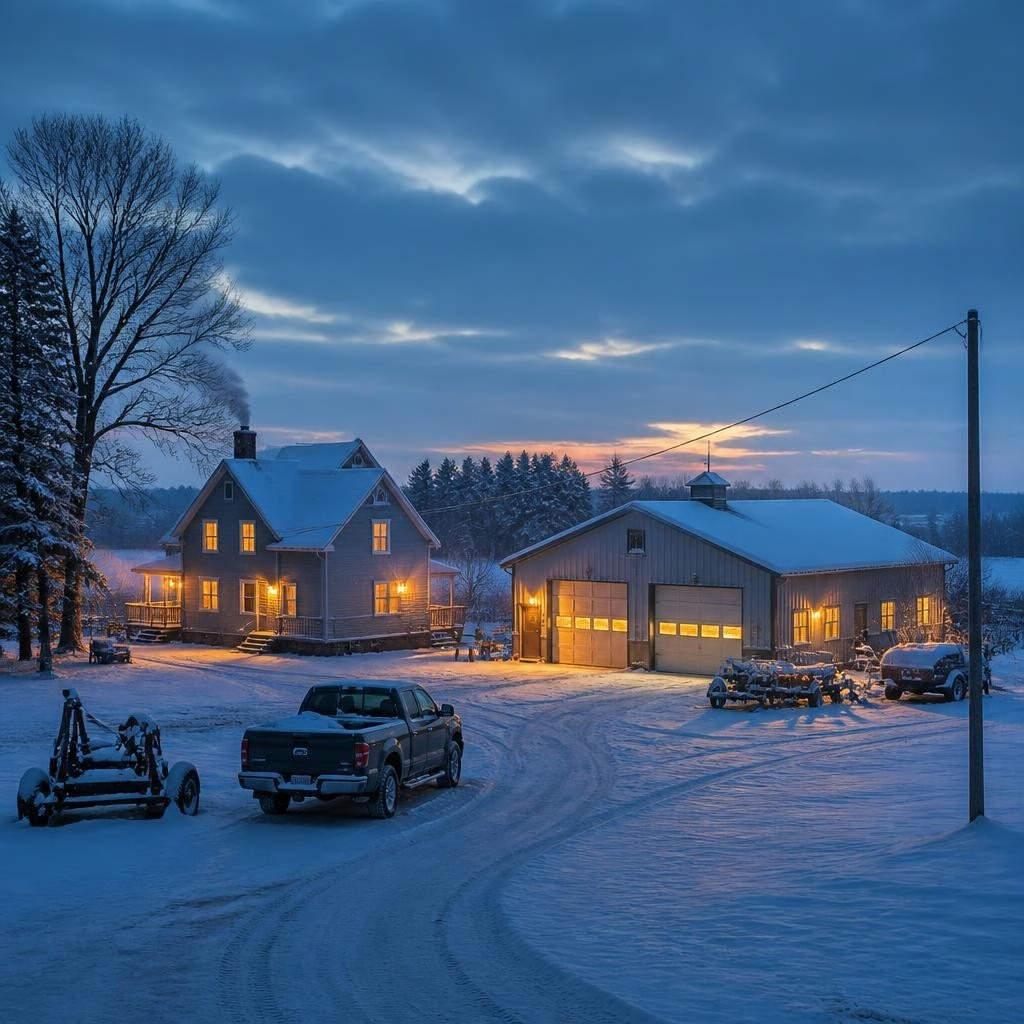
Why consider radiant heat for rural properties?
Rural homes and farmsteads have specific heating needs: large open spaces, detached shops, seasonal use of rooms and outbuildings, and long cold winters in the Upper Midwest. Electric radiant heat — installed under floors, in ceilings, or embedded in concrete slabs — delivers silent, even warmth without visible radiators or forced‑air ducts. For many rural owners the appeal is simple: comfortable floors, zoned control for spaces used intermittently, and systems that are unobtrusive in both residential and agricultural settings.
How electric radiant systems work
Electric radiant systems use panels, cables, or mats to create heat in the floor, ceiling, or slab surface. Thermostats and sensors control each zone, and systems can be configured for in‑floor heating, in‑ceiling installations, or concrete slab heat. Because heat radiates from the surface, occupants feel warmth at lower air temperatures, which often improves perceived comfort while reducing drafts common with forced‑air systems.
Benefits for rural homes and seasonal spaces
For rural residences, radiant heat offers several practical advantages. Zoned thermostats let owners heat only occupied rooms — useful in split‑level homes, guest bedrooms, or seasonal cabins. Warm floors improve comfort during prolonged cold spells and can reduce the need to run an entire central system. Multiple customers have reported that radiant panels create a cozy, even heat that is particularly noticeable on cold days.
Suitability for farm shops and outbuildings
Large shops and outbuildings present unique challenges: high ceilings, open layouts, and intermittent use. Electric radiant panels and slab heating work well in these spaces because they produce consistent surface heat and avoid circulating dust or exhaust. Several customers have used radiant panels successfully in sizable shop spaces, noting dependable, even warmth across the area — a practical solution for workshops, hobby bays, and equipment sheds where comfort and cleanliness matter.
Reliability and maintenance in a rural setting
Electric radiant systems are attractive for rural properties because they have very few moving parts. There are no fans or blowers to service, and typical maintenance focuses on thermostat calibration and periodic inspection of controls and sensors. Customers have praised the long‑term reliability of electric radiant installations and the straightforward operation of thermostatic controls, making these systems convenient for owners who prefer low‑maintenance solutions.
Managing operating costs with off‑peak electricity
Operating cost is a common concern for rural property owners. One effective strategy is pairing electric radiant systems with time‑of‑use or off‑peak electricity rates where available. Systems can preheat thermal mass (such as a concrete slab) during lower‑cost hours and maintain comfort with zoned thermostats during peak times. Smart controls and scheduling reduce wasted energy in unoccupied spaces, helping balance comfort and budget without relying on constant high output.
Installation and control considerations
Designing a radiant system for a rural property requires attention to layout and control. Key considerations include choosing in‑floor versus in‑ceiling or slab solutions based on building construction, planning zones to match usage patterns, and selecting thermostats and sensors that support scheduling and remote control. Proper planning preserves insulation and thermal mass where appropriate, and ensures panels or mats are placed to meet comfort goals without interfering with building systems.
Working with a local radiant heating specialist
When evaluating radiant heat for a farmstead or rural home in South Dakota, North Dakota, or Minnesota, working with a specialist who understands both residential and large‑space installations is valuable. SmartHeat, based in Aberdeen, SD, designs and installs electric radiant systems including in‑floor, in‑ceiling, slab heating, and snow‑melt controls, and customers consistently note professional installation and helpful guidance on zoning and thermostats. If low maintenance, even heat, and the ability to manage operating costs with off‑peak strategies are priorities, electric radiant heating is worth considering for many rural properties.
Article by
SmartHeat
SmartHeat – Radiant Heating & Snow Melt Systems Silent. Motionless. Invisible. Since 2007, SmartHeat has designed and installed electric radiant heating systems for both residential and commercial projects across the U.S. We specialize in heating solutions that are efficient, seamless, and unobtrusive — including: In-floor heating In-ceiling heating (including custom configurations) Concrete slab heating systems Automated snow & ice melt systems for driveways, walkways, parking lots Thermostats & smart control systems We focus on energy efficiency, comfort, safety, and aesthetics. Our systems use off-peak electricity, zoned control, and sensors to reduce costs. There are no noisy fans, no visible radiators, and minimal maintenance.