In‑Ceiling Radiant Heat 101: A Quiet, Invisible Option for Finished Spaces
A practical primer on in‑ceiling radiant panels: how they work, when they make sense compared with in‑floor systems, installation and ceiling‑height considerations, comfort and aesthetic benefits, and what to ask a professional installer.

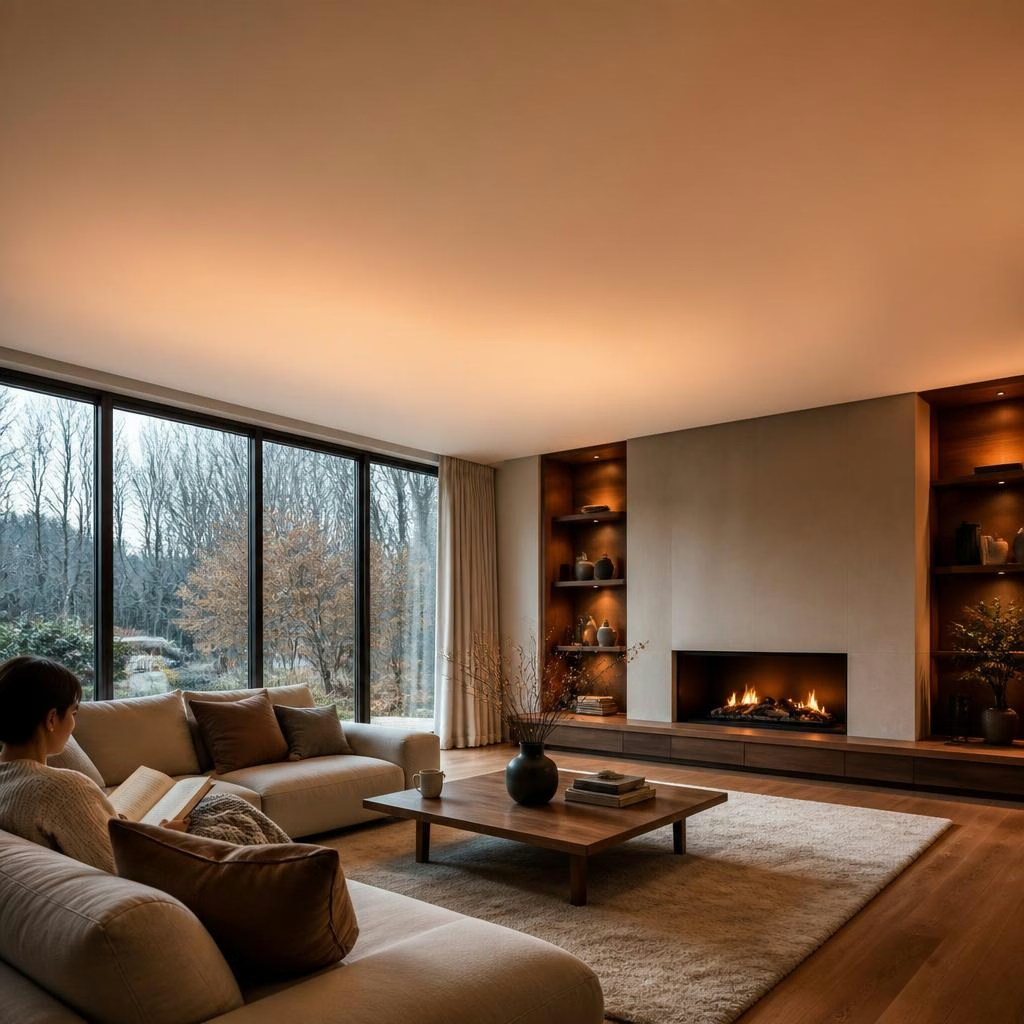
What is in‑ceiling radiant heating?
In‑ceiling radiant heating uses flat electric panels mounted above a finished ceiling to deliver warmth by radiation and gentle convection. The result is silent, motionless heat that warms people and surfaces rather than relying on blown air or visible radiators. For homes and light commercial spaces where in‑floor systems are impractical, in‑ceiling panels provide an unobtrusive way to add zoned comfort while preserving finished floors and aesthetics.
How the panels produce comfortable warmth
Radiant panels emit infrared energy that is absorbed by objects and occupants in the room, creating a steady sense of warmth. Because heat is delivered across a room rather than from a single heating register, occupants typically report fewer drafts and a more even temperature distribution. The technology has very few moving parts, so operation is quiet and maintenance needs are minimal.
When in‑ceiling is a better choice than in‑floor
Choose in‑ceiling panels when a finished floor cannot be disturbed, slab or structural constraints prevent adding tubing, or a retrofit must avoid raising floor height. They are also a practical solution in split foyer or multi‑level homes where adding a separate floor heating system would be difficult. Several SmartHeat customers have opted for ceiling panels after replacing or supplementing existing furnaces, reporting strong satisfaction with the outcome.
Ceiling height and placement considerations
Ceiling height, ceiling construction, and the presence of insulation above the ceiling all influence panel performance. Higher ceilings may require larger or more panels to achieve the same perceived warmth as lower ceilings. Panel placement is planned to focus radiant energy where people spend the most time—living areas, workspaces, and frequently used rooms—while avoiding obstructions like recessed lighting or heavy fixtures. A professional assessment will determine the optimal layout for comfort and efficiency.
Controls, zoning and practical use
In‑ceiling systems can be installed with individual thermostats and zoned controls so each room or area is managed independently. Zoned control allows occupants to heat only the spaces in use, improving comfort and reducing energy use. Smart control options and sensors can further tailor run times and leverage lower off‑peak electricity where available, features that SmartHeat includes in many of its installations.
Aesthetics, integration and retrofit advantages
Because panels are mounted above the ceiling, there are no visible radiators, baseboards, or floor changes. That invisibility preserves interior finishes and design intent while still delivering reliable warmth. For retrofits, panels avoid the cost and disruption of removing or topping existing floors, which makes them an attractive option for finished basements, historic homes, and tenant spaces.
Real user experience and reliability
Customers frequently highlight ease of installation, knowledgeable design support, and dependable performance over time. One customer noted that the installation process was straightforward and that the panels perform smoothly; other long‑term users report consistent comfort and recommend the approach for both residential rooms and larger workshop or commercial spaces. These customer perspectives reflect the practical benefits of a simple, quiet radiant solution.
How to evaluate and next steps
Start by identifying rooms where in‑floor heating isn’t feasible or where you want invisible, quiet heat. Ask a qualified installer for a heat‑loss assessment, recommended panel layout, and details on zoning and controls. SmartHeat, based in Aberdeen, SD, designs in‑ceiling and custom configurations and provides nationwide installation guidance; a site assessment will clarify whether in‑ceiling panels are the right fit for your finished space. Request a professional evaluation to compare comfort, installation impact, and control options before deciding.
Customer review


Article by
SmartHeat
SmartHeat – Radiant Heating & Snow Melt Systems Silent. Motionless. Invisible. Since 2007, SmartHeat has designed and installed electric radiant heating systems for both residential and commercial projects across the U.S. We specialize in heating solutions that are efficient, seamless, and unobtrusive — including: In-floor heating In-ceiling heating (including custom configurations) Concrete slab heating systems Automated snow & ice melt systems for driveways, walkways, parking lots Thermostats & smart control systems We focus on energy efficiency, comfort, safety, and aesthetics. Our systems use off-peak electricity, zoned control, and sensors to reduce costs. There are no noisy fans, no visible radiators, and minimal maintenance.