How to Add Radiant Ceiling Heat When One Furnace Fails
Practical guidance on replacing or supplementing a failing furnace with in-ceiling radiant panels — what the systems do, how installations typically proceed, and how to decide if ceiling-mounted radiant heat is the right solution for your home.

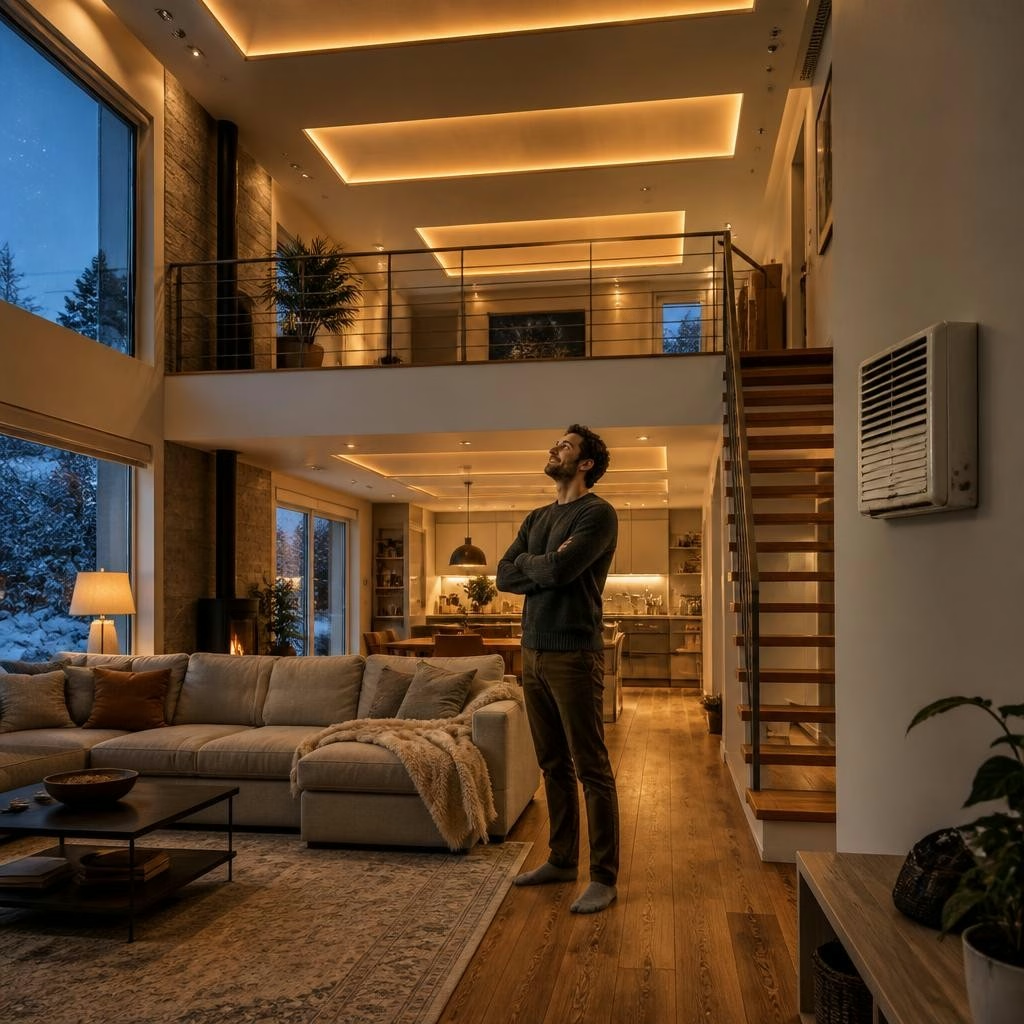
When a Single Furnace Fails: A Practical Alternative
A failing furnace on one level of a multi-level home creates an immediate comfort and cost problem. Instead of replacing an entire forced-air system for that zone, in-ceiling radiant heating panels offer a viable alternative: they provide steady, silent heat to the rooms below without the need for ductwork upgrades. This article explains how ceiling-mounted radiant panels can replace or supplement a failed furnace and what homeowners should expect from the process.
Why Choose In-Ceiling Radiant Panels
In-ceiling radiant heating delivers heat by warming the room surfaces and air gently and evenly. Benefits include minimal visual impact, quiet operation with no fans or radiators, and the ability to control temperatures room by room. For homeowners who use some rooms infrequently, ceiling panels make it easy to heat only occupied spaces, reducing energy use compared with trying to run a whole-house system for a single level.
How Ceiling Panels Work and How They Integrate
Ceiling radiant panels are electric elements mounted above the finished ceiling that emit infrared and convective heat downward into the living space. They connect to individual thermostats or a zoned control system so each room can be set independently. Panels can operate on off-peak electricity schedules and pair with smart controls and sensors to manage runtime and energy use, allowing a simple, modern replacement for a localized furnace.
Assessing Your Home: Is It a Good Fit?
To determine suitability, consider room usage, ceiling access, insulation levels, and existing electrical capacity. Ceiling panels work especially well in spaces where ducts are limited or where you want discreet, even heat — living rooms, finished basements, or bedroom suites. Homes with good insulation and sealed envelopes will retain radiant heat more efficiently. A qualified installer can perform a basic assessment to confirm heat needs and necessary wiring or control upgrades.
What to Expect During Installation
Installation is typically less disruptive than a full HVAC replacement. Technicians mount panels in the ceiling cavity or beneath the finished ceiling, run electrical connections to dedicated circuits, and install individual thermostats or zone controllers. Because these systems have few moving parts, maintenance needs are minimal. Expect a professional installer to coordinate electrical work, recommend appropriate controls, and test each zone for consistent performance.
Customer Experiences: Comfort and Control
Homeowners who have chosen ceiling-mounted radiant panels report warmer, cozier rooms and appreciation for individual thermostats in bedrooms and living spaces. In one common scenario, a home with two furnaces replaced the lower-level heating with ceiling panels and gained the ability to heat rooms independently — keeping unused bedrooms cool while maintaining a warm family room when needed. Installers are frequently praised for professionalism and clear guidance throughout the project.
Next Steps and Questions to Ask Your Installer
If you’re considering in-ceiling radiant panels to replace a failing furnace, start with a site visit and heat-loss assessment from a reputable heating contractor. Ask about panel placement, required electrical work, thermostat options (including smart controls), and how the system will integrate with any remaining forced-air equipment. Confirm the installer’s experience with ceiling systems and request references or examples of similar projects. For homeowners near Aberdeen, SD, or elsewhere in SmartHeat’s service area, a consultation can help you weigh the costs, disruption, and long-term benefits of switching to radiant ceiling heat.
Article by
SmartHeat
SmartHeat – Radiant Heating & Snow Melt Systems Silent. Motionless. Invisible. Since 2007, SmartHeat has designed and installed electric radiant heating systems for both residential and commercial projects across the U.S. We specialize in heating solutions that are efficient, seamless, and unobtrusive — including: In-floor heating In-ceiling heating (including custom configurations) Concrete slab heating systems Automated snow & ice melt systems for driveways, walkways, parking lots Thermostats & smart control systems We focus on energy efficiency, comfort, safety, and aesthetics. Our systems use off-peak electricity, zoned control, and sensors to reduce costs. There are no noisy fans, no visible radiators, and minimal maintenance.